← Back to all One Page Business Stories

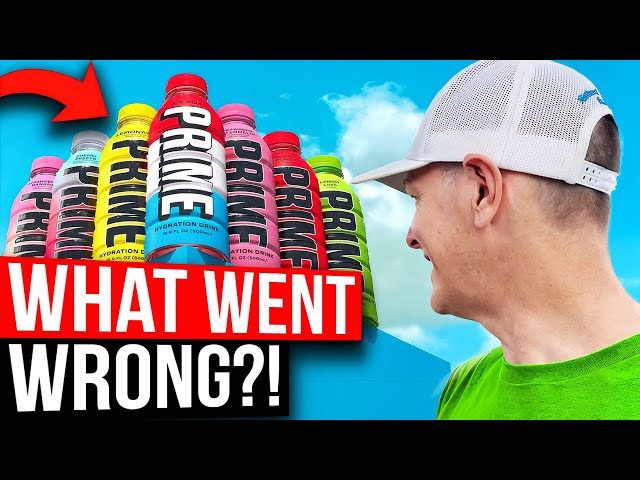
The rise and fall of Prime Hydration: How KSI & Logan Paul’s drink crashed

A YouTube-fueled energy drink hit $1.2 billion in sales in 18 months — then crashed 75% because nobody wanted a second bottle.

By The Numbers

$1.2B
sales in 2023
1 billion
bottles sold in 18 months
-75%
sales drop in key markets

What They Nailed Early

Solved the beverage industry's hardest problem: breaking through giants like Coke and Pepsi by partnering with influencers who had 23 million YouTube subscribers each. Created demand frenzy through scarcity — the harder it was to find, the more kids wanted it.

What Changed

The hype machine delivered trials, but the product didn't deliver repeat buyers. Regulators attacked the 200mg caffeine content as unsafe for kids. Parents heard it was unhealthy. Coca-Cola and Pepsi fought back for shelf space. When scarcity ended and stores stocked it everywhere, the Supreme-level exclusivity vanished.

Where it Landed

Down 75% in UK sales. Supplier lawsuits for $68M in unpaid bills. Hard to find in stores. Sales down another 15% in 2025. The fad is over.

The Principles

1. 
Hype gets trials, product gets repeats. You can buy attention with influencers, but if it tastes like chemicals, nobody comes back.
2. 
Scarcity as strategy has an expiration date. When supply catches up and the fad ends, you better have product-market fit underneath.
3. 
Target market and regulatory risk matter. Selling high-caffeine drinks to kids invited backlash that killed the brand's health halo.
Builder's Takeaway

If you're building on influencer hype, remember:
• 
Product must deliver on the promise — taste, function, value all matter post-trial
• 
Scarcity creates buzz but can't sustain a business long-term
• 
Know your regulatory risk when targeting kids with controversial ingredients
Want the whole story? → Watch this on YouTube