Facebook built the world's dominant social network by making connection effortless and addictive. Billions of users chose to spend hours daily on the platform. The core product solved real human needs for staying connected.
What Changed
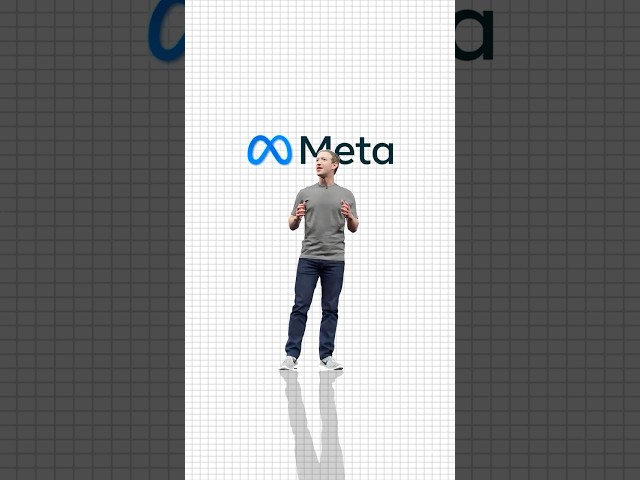
Zuckerberg bet the company's future on virtual reality, rebranding to Meta and pouring tens of billions into Horizon Worlds. But the metaverse solved no real problem. Even employees forced to use it as part of their jobs avoided it. Only 9% of virtual worlds attracted more than 50 visitors.
Where it Landed
Reality Labs burned $83.6 billion building a ghost town. The division loses $18 for every dollar earned. Meta remains massive from its core social apps, but the metaverse vision flopped hard.
The Principles
1.
Dog food your own product. If your own employees won't use what you're building, customers definitely won't pay for it.
2.
Solve real problems, not imagined futures. Billions in marketing can't create demand for something people fundamentally don't want.
3.
Past dominance doesn't validate new bets. Facebook's social network success had zero bearing on whether people wanted to live in VR.
Builder's Takeaway
3 warning signs you're building something nobody wants:
•
Your team avoids using the product unless forced to by management
•
You're spending billions on supply when there's no organic demand signal
•
Burning $18 per $1 earned means the unit economics will never work