← Back to all One Page Business Stories

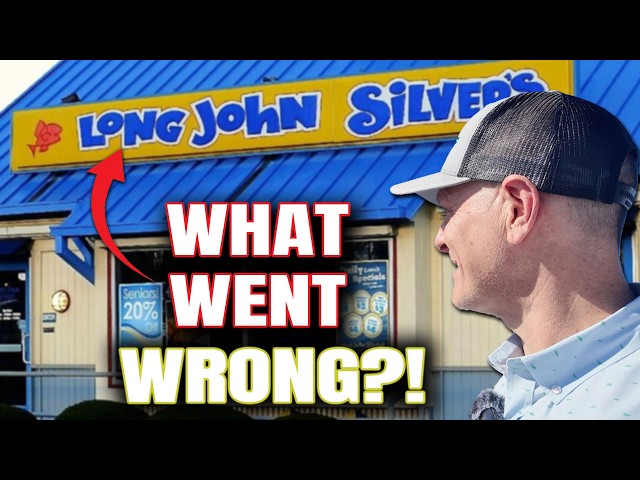
The rise and fall of Long John Silver’s: what killed the fish empire?

The fast food chain that owned 65% of America's seafood market — killed by the one decision they made on day one.

By The Numbers

65%
of seafood market share
1,500
locations at peak
400
stores remaining today

What They Nailed Early

Carved out a unique niche in a sea of burger chains by bringing Maine-style fish and chips to rural America. Rode that differentiation to unprecedented dominance — 65% of the out-of-home seafood market and nearly $500M in sales by the 1980s.

What Changed

Management panicked as competitors chipped away from both ends — Red Lobster from above, frozen fish sticks from below. They loaded the company with debt via leveraged buyout just as consumer tastes shifted away from fried food. Tried to serve both health-conscious and traditional customers, satisfying neither.

Where it Landed

Shrunk from 1,500 locations to under 400 today. The core problem wasn't execution — fish became 3-4x more expensive than chicken over 25 years, making fast-food seafood structurally uncompetitive.

The Principles

1. 
Niche dominance beats broad mediocrity. Long John Silver's owned 65% of seafood by staying focused — then lost it chasing shiny objects instead of defending the core.
2. 
Your input costs are your destiny. When your main ingredient becomes 3-4x more expensive than competitors' while customer budgets stay flat, no amount of execution can save you.
3. 
Leverage kills optionality. Loading debt onto a company losing market share in a shifting category removes your ability to adapt when structural headwinds hit.

Builder's Takeaway

3 warning signs your core business is structurally doomed:
• 
Input costs rising 3-4x faster than competitors' — margin squeeze becomes inevitable
• 
Customer base bifurcating (some want A, some want B) — you satisfy neither
• 
Debt load during decline — kills your ability to pivot or wait out the storm
Want the whole story? → Watch this on YouTube