← Back to all One Page Business Stories

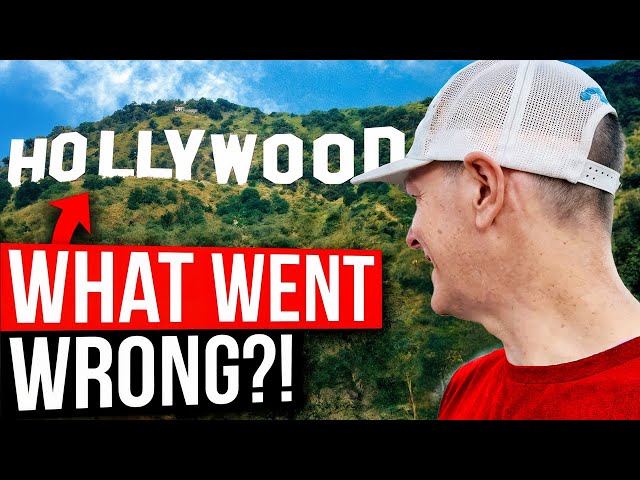
The rise and fall of Hollywood: How it all fell apart

The region that once produced 90% of global box office revenue has lost a third of its workforce in just 5 years.

By The Numbers

90%
of global box office at peak
-30%
production decline in 5 years
5%
of China box office today

What They Nailed Early

Built the cluster effect—concentrating all talent, funding, studios, and infrastructure in one place. This vertical integration and geographic dominance made Hollywood the undisputed filmmaking capital, producing content that captured 70% of worldwide box office while making just 10% of films.

What Changed

The internet killed the model. Cable subscribers dropped from 100M to 60M, wiping out $30B in annual revenue. Gen Z shifted to YouTube, TikTok, and gaming—spending 24% of time on user-generated content versus 16% on Hollywood. Studios consolidated under finance guys who greenlit only safe reboots and Marvel sequels. A 6-month strike in 2023 accelerated irrelevance. Productions fled to Georgia and overseas for 20-30% cost savings.

Where it Landed

Cultural and economic freefall. Filming down 30% in 5 years. Only 1 in 5 TV productions shoot in Southern California now. 18,000 stagehands left the main union. YouTube is now the most-watched network. The century-long dominance is over.

The Principles

1. 
Cluster effects aren't permanent moats. When distribution goes digital and production goes remote, geographic concentration becomes a liability—especially with California's cost structure.
2. 
Technology giveth and taketh away. Hollywood rode VCRs, DVDs, and TV to bigger profits for decades. The internet looked like another wave—but this time it atomized the audience and killed the bundle.
3. 
When finance guys replace talent, creativity dies. Safe reboots and franchise milking work short-term. But consumers eventually tire of Marvel movie #82 and preachy content designed not to offend anyone.

Builder's Takeaway

3 warning signs your industry dominance is ending:
• 
Your core assumption ("new tech always helps us") hasn't been stress-tested in decades
• 
Audience shifts are dismissed as temporary—but the kids aren't coming back
• 
Cost structure works only when you're the only game in town
Want the whole story? → Watch this on YouTube