← Back to all One Page Business Stories

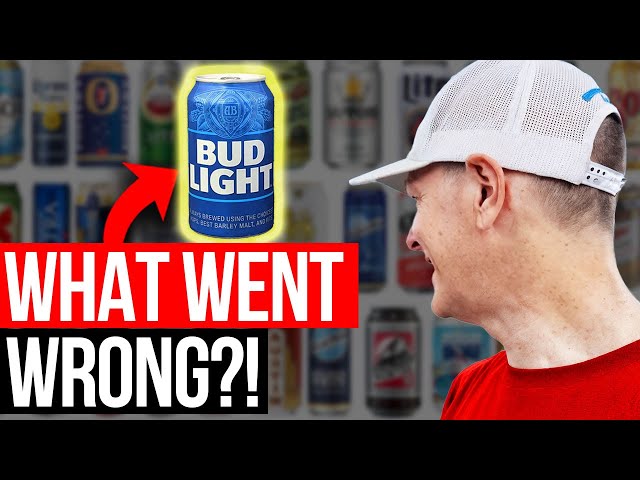
The rise and fall of Bud Light: Inside the $27 billion brand crisis

The beer that owned 20% of America with funny ads and sports stars — destroyed by one Instagram post and $1.4B in lost sales.

By The Numbers

20%
U.S. market share at peak
$1.4B
annual sales lost after crisis
#3
ranking today, down from first

What They Nailed Early

Made light beer manly by associating it with sports icons, not diet culture. Became synonymous with fun through cultural-moment ads like Spuds McKenzie and Real Men of Genius. Hit massive scale—nearly 20% market share and dominated the mass market for two decades.

What Changed

Belgian-Brazilian owners slashed $300M+ in marketing after 2008 acquisition, weakening the brand. Craft beer explosion and Gen Z's rejection of alcohol eroded the category. Then in 2023, a Dylan Mulvaney partnership triggered boycotts. Management froze, alienated core customers, and sales dropped 36% in three weeks—permanently.

Where it Landed

Dropped from #1 to #3 beer in America. Lost top draft position to Michelob Ultra. $27B in market value destroyed. Sales still down 27% a year later. New owners trying damage control with UFC deals and Shane Gillis ads—hasn't worked.

The Principles

1. 
Your existing customers aren't guaranteed. Bud Light assumed loyalty was permanent and chased new demographics while insulting the base—who left for good.
2. 
Brand equity requires constant investment. Cutting $300M in marketing to boost short-term profits left Bud Light defenseless when the crisis hit.
3. 
Beer is identity, not just a beverage. What you hold at a party signals values—Bud Light became a political statement overnight and lost its everyman appeal forever.
Builder's Takeaway

3 warnings if you're managing a mass-market brand:
• 
Never take your core for granted while chasing growth—they can leave faster than new customers arrive
• 
Cut brand spending and you're defenseless when crisis hits—equity takes years to build, seconds to destroy
• 
Stay apolitical if your moat is being 'everyone's brand'—once you pick sides, half the market walks
Want the whole story? → Watch this on YouTube